The Allure of Casino Gambling
Casino gambling possesses an intrinsic allure that captivates individuals from all walks of life. At its core, the excitement of chance and the potential for substantial monetary rewards draw people into the gaming environment. The psychological principles of risk and reward play a pivotal role in this attraction. When players engage in games of chance, their brains release dopamine, a neurotransmitter associated with pleasure and motivation, creating a reinforcing loop that can lead to continued gambling behavior. Moreover, when searching for options, many players explore casino sites not on gamstop to enhance their experience.
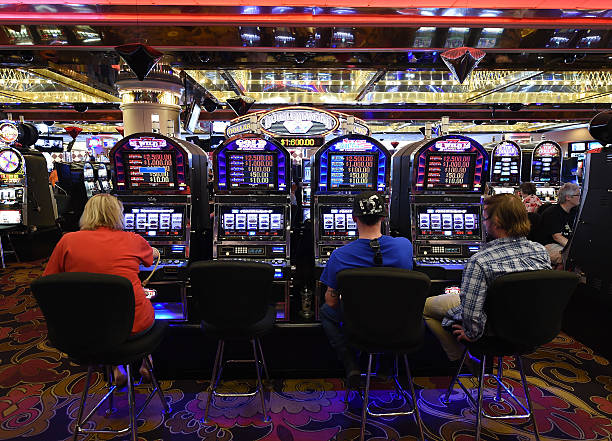
This attraction is further amplified by the social environment of casinos, which are designed to be vibrant spaces filled with lights, sounds, and activity. The ambiance stimulates excitement, encouraging players to spend more time gambling. The combination of anticipation and immediate gratification engages gamblers, making it challenging for them to walk away, even when the odds may not be in their favor.
Cognitive Biases in Gambling
The psychology of gambling is fraught with cognitive biases that influence decision-making processes. One prominent bias is the illusion of control, where gamblers believe they have the ability to control or influence the outcome of a game, despite it being entirely based on chance. This can lead to players adopting strategies that they believe will enhance their odds, even when statistical evidence suggests otherwise.
Additionally, gamblers often fall victim to the gambler’s fallacy, where they incorrectly assume that past events influence future outcomes. For instance, if a slot machine hasn’t paid out in several rounds, a player might erroneously believe that a win is due. These cognitive biases can significantly affect gambling strategies, leading individuals to make irrational decisions based on flawed logic.
The Role of Emotions in Gambling Behavior
Emotions serve as a critical driver in gambling behavior, often leading to impulsive decisions. The thrill of winning can evoke euphoric feelings, pushing players to chase their next high. Conversely, losses can provoke negative emotions, leading to a phenomenon known as loss chasing, where players continue gambling in an effort to recover lost funds. This emotional rollercoaster can cloud judgment and impair the ability to make rational choices.
Furthermore, mood state can influence gambling strategies. Research indicates that individuals in positive moods may take more risks, while those in negative moods may gamble to escape their feelings. Understanding the emotional dimension of gambling can help players recognize their triggers and develop more strategic approaches to their gaming.
Strategies to Mitigate Gambling Risks
Recognizing the psychological factors at play, it is essential for gamblers to adopt strategies that mitigate potential risks. Establishing a budget and adhering to it can prevent excessive losses, while time management strategies can help limit the duration of gambling sessions. Awareness of cognitive biases can empower players to make more informed decisions and avoid the pitfalls of impulsive behavior.
Moreover, seeking support from peers or professional resources can also greatly benefit those who may struggle with gambling addictions. Developing a mindset focused on responsible gambling can safeguard against the negative consequences that arise from unchecked gambling behavior.
Enhancing Security in Gambling Environments
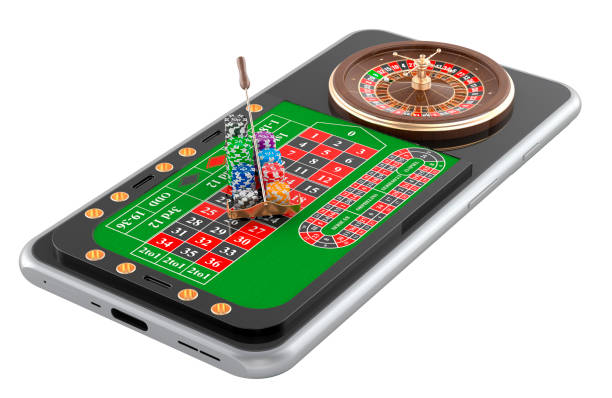
As the landscape of online gambling continues to evolve, ensuring security measures is paramount. Casinos and gamblers alike must be aware of the potential threats in the digital realm. Websites are increasingly implementing robust security protocols to protect users from fraud and data breaches. This not only enhances user experience but also fosters a safe gambling environment.
By understanding the psychology behind gambling and its associated strategies, both players and operators can work together to create a responsible gaming culture. Ultimately, knowledge and awareness are key in navigating the complexities of casino gambling while prioritizing safety and enjoyment.